Stove Designs

Erin Rasmussen

See even more pictures at http://www.stoves.bioenergylists.org/Phillipines-Holey-Roket

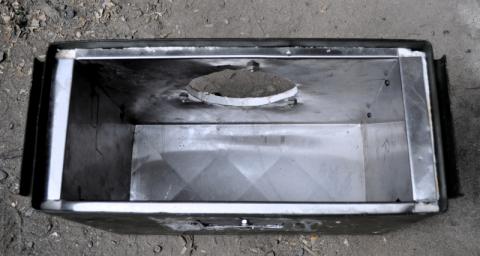
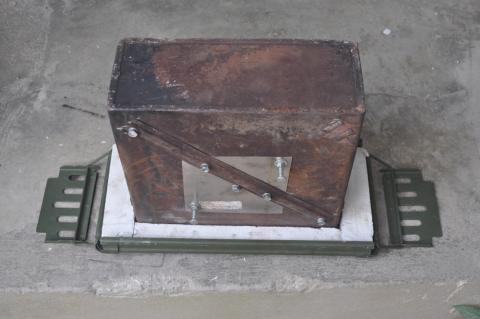
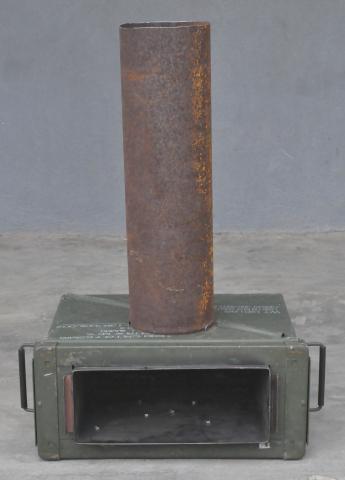
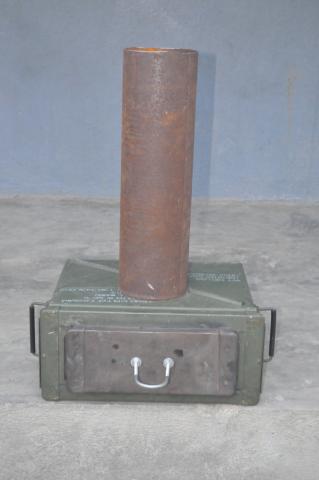
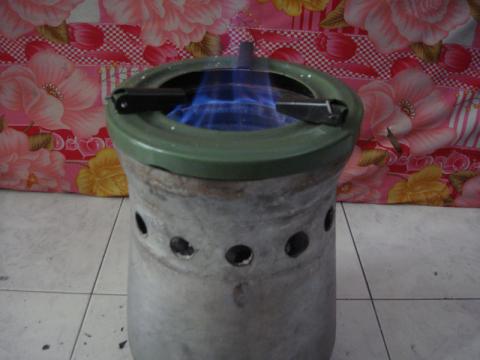
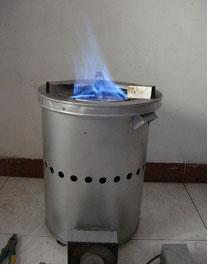
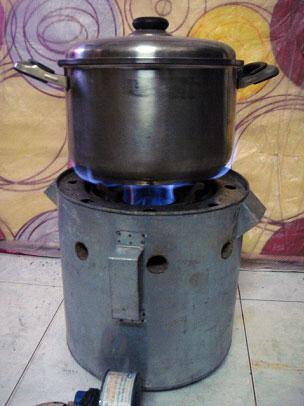
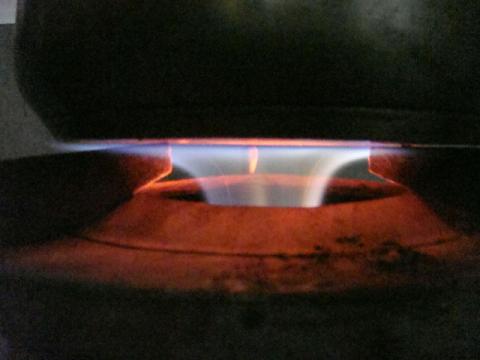
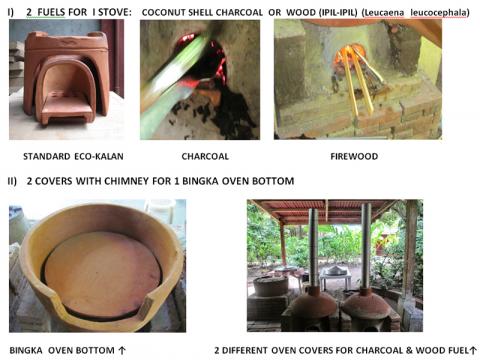
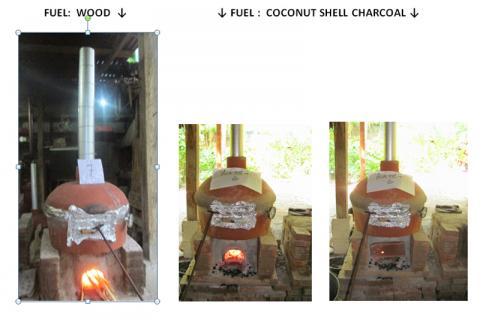
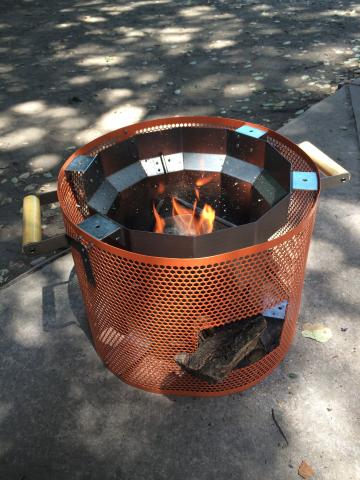
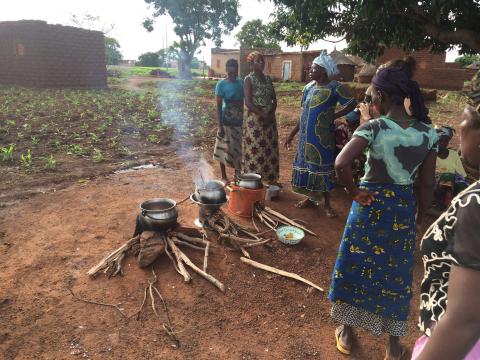
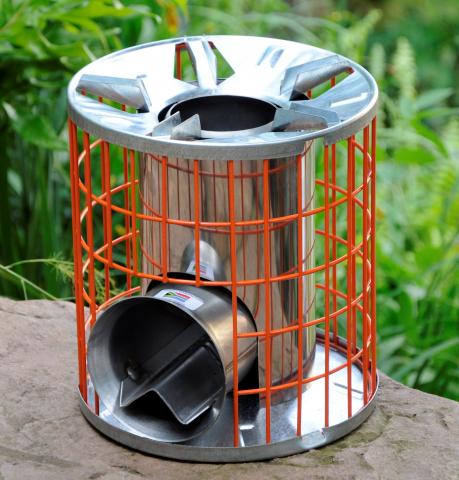
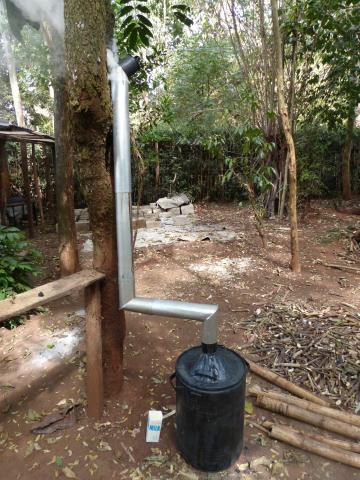
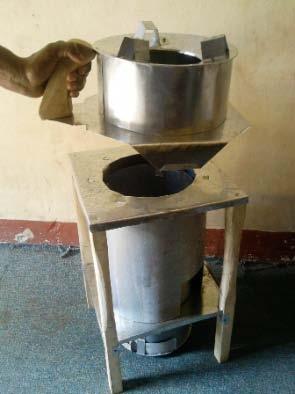
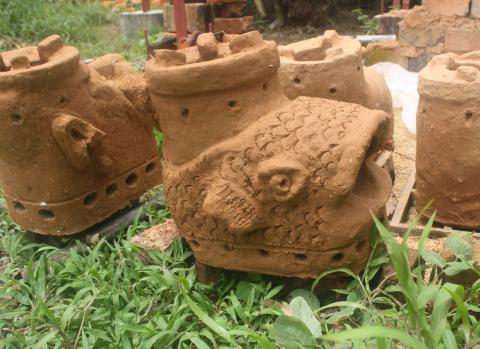
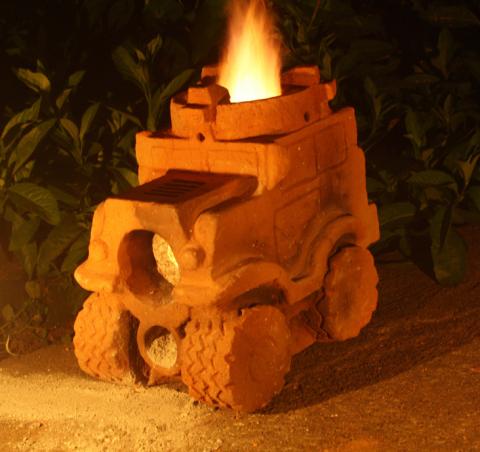
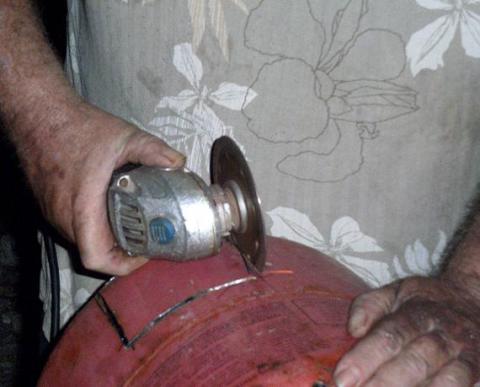
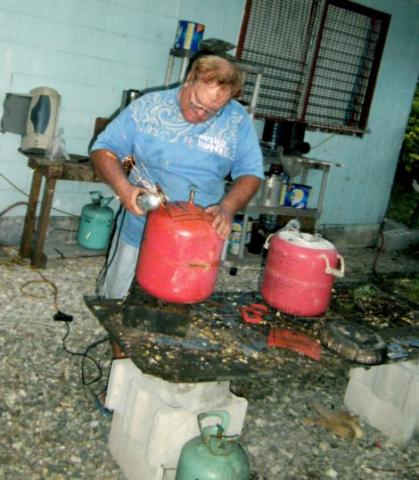
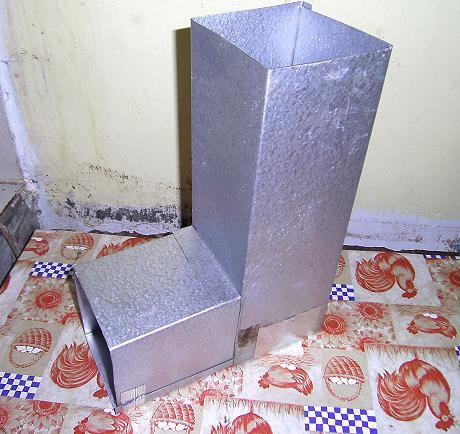
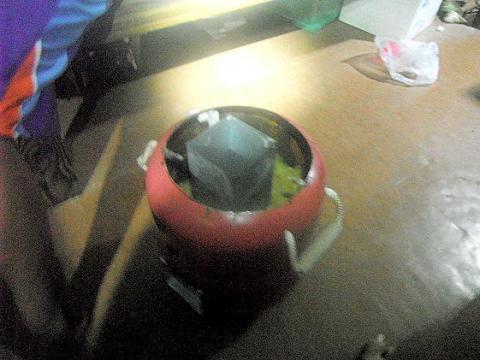
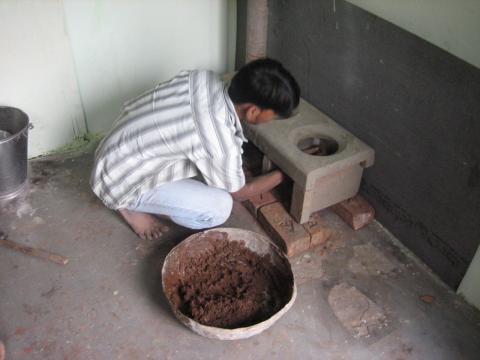
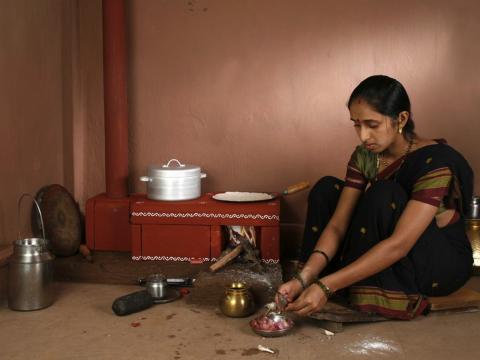
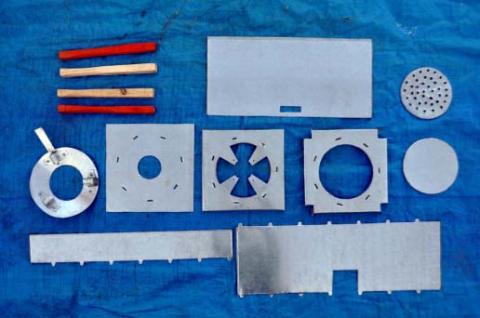
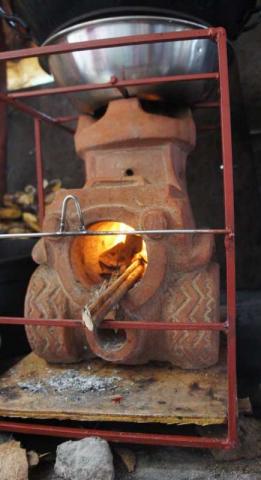
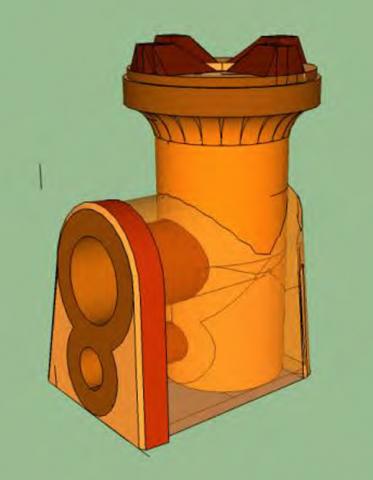
The first two stoves in the attached i already am making since the past years. And recently, i have been teaching women and soon their husbands to also make their rocket stoves here in the province of Bulacan under a disaster preparedness program by the Save the Children International. They also make their own designs of flowers, castle towers, chess characters, and faces into their stoves.

Holey Roket Stove Double-Barell as a Fish
Erin Rasmussen

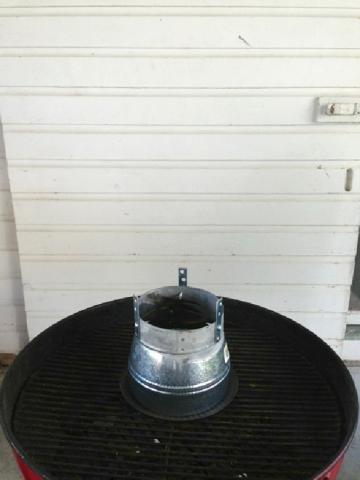
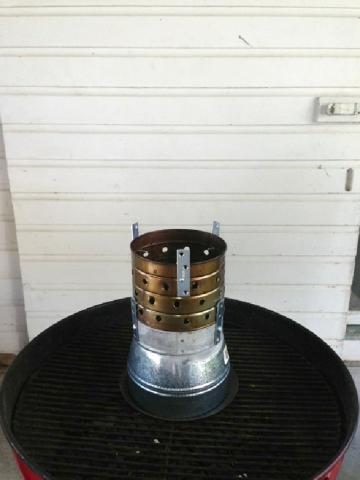
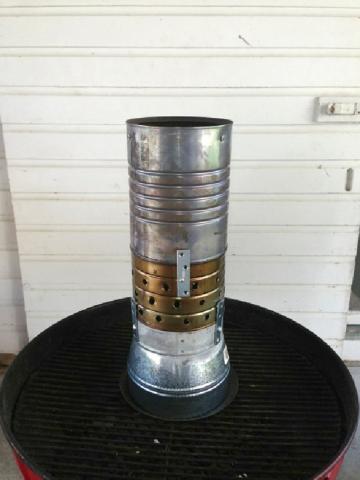
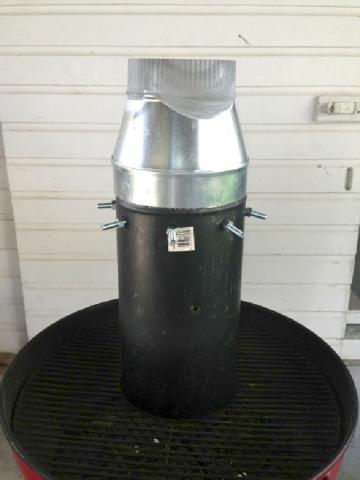
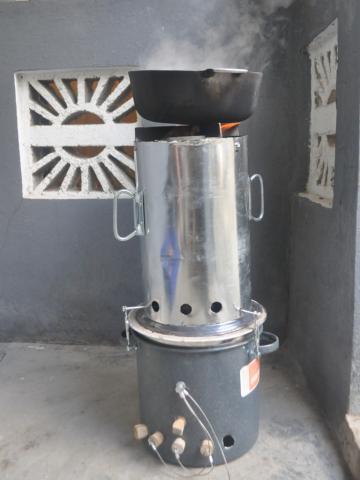
A few more pictures to clarify how the Rim Fire iCan is built. It is quite simple.

Materials:

Erin Rasmussen

A few more pictures to clarify how the Rim Fire iCan is built. It is quite simple.

Materials:

Erin Rasmussen

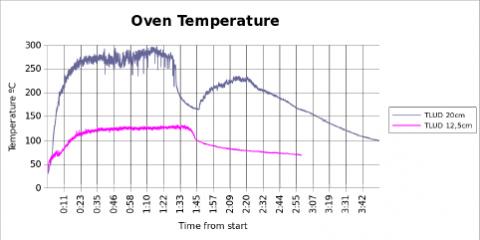
Hi all many of you don´t know me, I start 5 years ago with the help of Nancy Hughes from Stove Team International and with a little help form Carlos Santana, since then I have learn some stove principles desings with Larry Winiarski, 2 years ago the Global Alliance invite me to attend the wood cooking stove forum in Lima Peru, in the opportunities brought along a hybrid stove Rocket/TLUD similar to the DK stove.

Erin Rasmussen

Hi all many of you don´t know me, I start 5 years ago with the help of Nancy Hughes from Stove Team International and with a little help form Carlos Santana, since then I have learn some stove principles desings with Larry Winiarski, 2 years ago the Global Alliance invite me to attend the wood cooking stove forum in Lima Peru, in the opportunities brought along a hybrid stove Rocket/TLUD similar to the DK stove.

Erin Rasmussen

Dear Friends

This is very useful.

Save it!

y = 4-08x2 - 0.0036x + 99.996

X = your altitude in meters.
Y = the local boiling point (at standard air pressure)

If you know your altitude, it will give you the ‘standard’ boiling temperature.
If you know the local boiling point, you can work backwards to get the altitude where you are standing.

Excel cell contents:

=99.996-0.0036*Altitude+4*10^-8*Altitude

where ‘Altitude’ is the cell in which the altitude is located.

Regards
Crispin

teddy

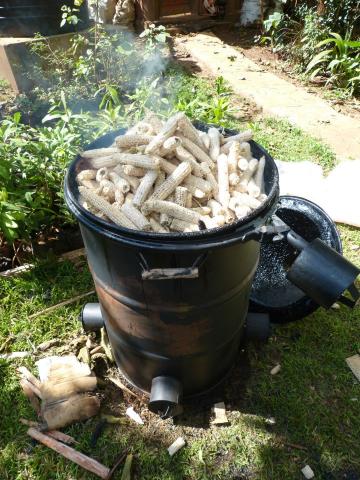
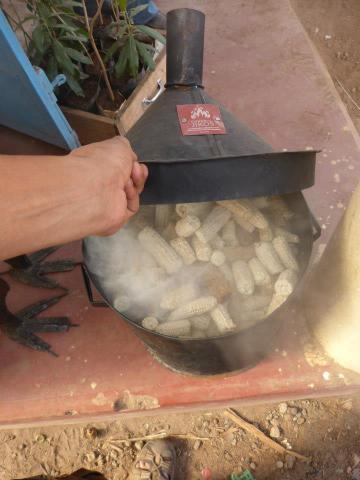
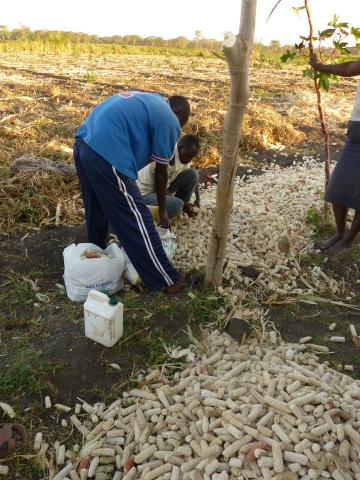
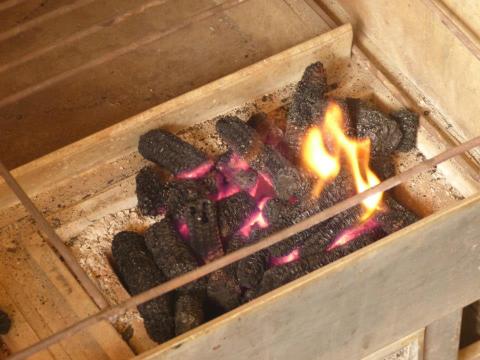
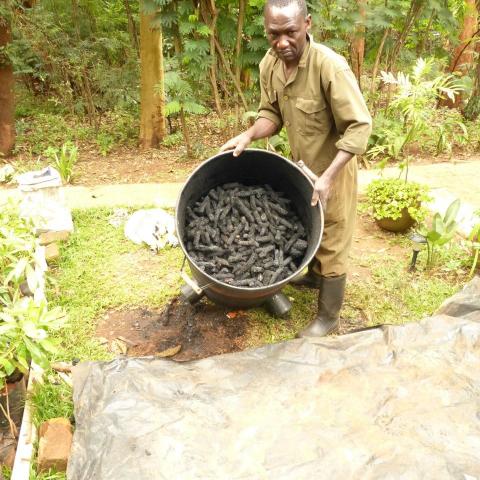
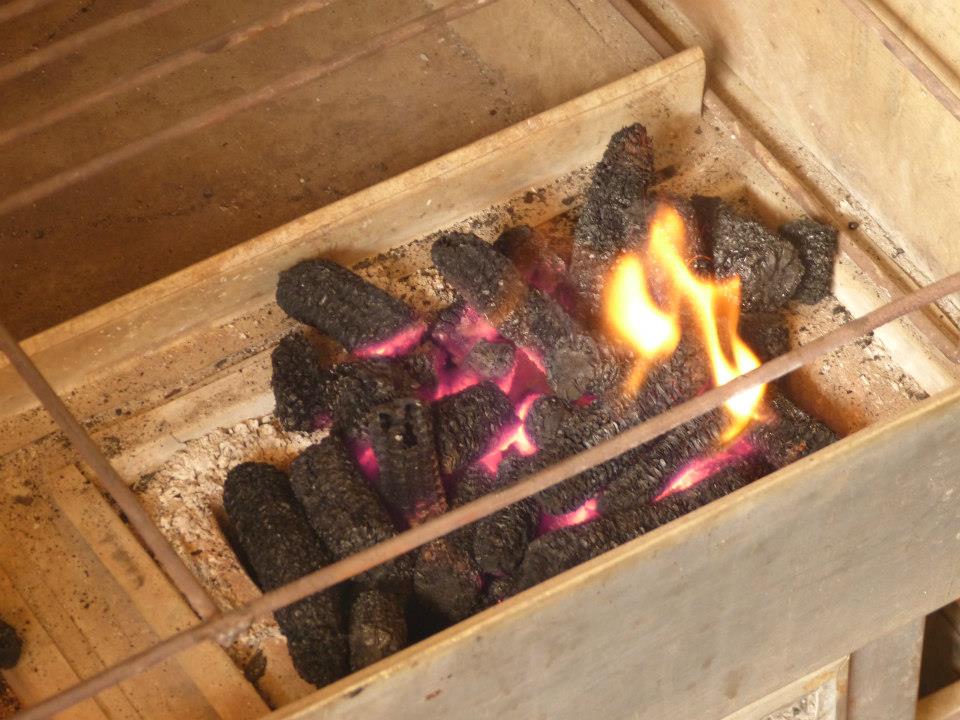
Four very good reasons why to make your own charcoal from dry maize cobs.

A loaded kinyanjui type barrel kiln carbonizing maize cobs
Erin Rasmussen

Rogerio Carneiro de Miranda shared his new video that highlights the features of the Ecofogão in Brazil.
It is is a rocket style stove that uses wood to heat a cast iron griddle and an oven. It is an efficient stove that also includes an chimney, and the option to build it into an attractive and functional kitchen island. They also have an option that heats water (for washing or bathing).

For more information, and pictures, and to buy the stove, see their website:
http://www.ecofogao.com.br/

Erin Rasmussen

Rogerio Carneiro de Miranda shared his new video that highlights the features of the Ecofogão in Brazil.
It is is a rocket style stove that uses wood to heat a cast iron griddle and an oven. It is an efficient stove that also includes an chimney, and the option to build it into an attractive and functional kitchen island. They also have an option that heats water (for washing or bathing).
For more information, and pictures, and to buy the stove, see their website:
http://www.ecofogao.com.br/

Erin Rasmussen

Rogerio Carneiro de Miranda shared his new video that highlights the features of the Ecofogão in Brazil.

It is is a rocket style stove that uses wood to heat a cast iron griddle and an oven. It is an efficient stove that also includes an chimney, and the option to build it into an attractive and functional kitchen island. They also have an option that heats water (for washing or bathing).

For more information, and pictures, and to buy the stove, see their website:
http://www.ecofogao.com.br/

Erin Rasmussen

Muhammad Nurhuda from the Physics Department, Brawijaya University
in Malang, Indonesia

They have developed a various biomass stoves ( Kompor Biomass ) The fuels also vary from chopped woods/twigs, pellet, palm kernel shell, hazelnut kernel shell, corncob, etc..

And they have a nice collection of YouTube videos:

All stoves presented above are of TLUD types, but the combustion is improved by using pre-heating and counter-flow burning mechanism. The one intended for palm kernel shell utilizes diffused-combustion mechanism, in addition to pre-heating and counter flow mechanism.

The latest one

http://www.youtube.com/watch?v=b70z9-0nK6E

is devoted for institutional cook stove or small restaurants.

Very recently, we have also developed a new rocket stove. The combustion in this new rocket stove is improved by introducing counter-flow burning mechanism.

http://www.youtube.com/watch?v=kID0YL6TyqA

Erin Rasmussen

Muhammad Nurhuda from the Physics Department, Brawijaya University
in Malang, Indonesia

They have developed a various biomass stoves ( Kompor Biomass ) The fuels also vary from chopped woods/twigs, pellet, palm kernel shell, hazelnut kernel shell, corncob, etc..

And they have a nice collection of YouTube videos:

All stoves presented above are of TLUD types, but the combustion is improved by using pre-heating and counter-flow burning mechanism. The one intended for palm kernel shell utilizes diffused-combustion mechanism, in addition to pre-heating and counter flow mechanism.

The latest one

http://www.youtube.com/watch?v=b70z9-0nK6E

is devoted for institutional cook stove or small restaurants.

Very recently, we have also developed a new rocket stove. The combustion in this new rocket stove is improved by introducing counter-flow burning mechanism.

http://www.youtube.com/watch?v=kID0YL6TyqA

jkearns

New video and print resources available at www.aqsolutions.org.

Contamination of drinking water sources by synthetic organic compounds (SOCs – e.g. pesticides, pharmaceuticals, fuel compounds, etc.) is a growing worldwide problem. Many of these chemicals bio-accumulate in the human body and cause cancer, birth defects and diseases of the reproductive system, and disrupt endocrine and neurological systems. However, few low-cost, sustainable and appropriate treatment technologies are available to rural and developing communities for SOC removal.

Water filtration using charcoal is an ancient practice that continues today in non-industrialized regions around the world, though it has not yet been rigorously demonstrated for removal of modern industrial pollutants. Unfortunately, charcoal production by traditional kiln systems is often a resource-intensive and highly polluting process, and kiln processes are typically not optimized for production of good water filter char. Low cost, energy efficient, environmentally sustainable and scalable local production of optimal water filter char can be accomplished with biomass gasification (e.g. cookstoves and larger units using the TLUD design).

The video and print resources available on the Aqueous Solutions website (www.aqsolutions.org) are intended to

  1. summarize current results of collaborative field and laboratory research pertaining to the use of traditional kiln charcoals and gasifier chars in decentralized water treatment that targets SOCs,
  2. provide instructional materials for construction and operation of small- and intermediate- scale gasifier char production units using local materials, and
  3. provide instructional materials for integration of biochar filtration into a multi-barrier small- and intermediate- scale water treatment systems constructed from inexpensive and widely available materials.
Erin Rasmussen

Umang Maheshwari, Greenway Grameen Infra

The Greenway Smart Stove is an insulated metal stove, that appears to be a rocket style design with bakalite handles and a metal pot rest and fuel rest. You can see more details in the Greenway Smart Stove flyer.

This stove is marketed as an improvement over the mud Chulha, which is familiar in India.

biochar

Biocharproject.org announces the stumpy biochar combination cooker.

Its a tlud its a rocket stove it has many applications and fully customisable.
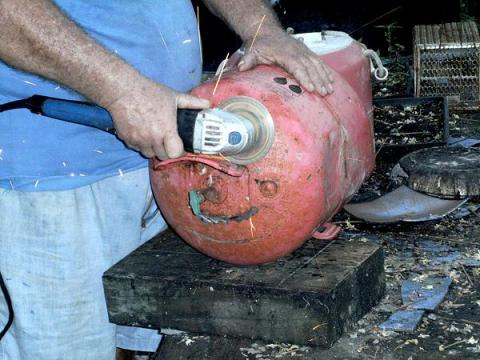
Simple design utilises waste LPG tanks to provide safe efficent cheap cooking.

Designed and Made in Australia by Biochar Project and Labrador Mens shed.

See the complete story on http://biocharproject.org

Open source free design

biochar

Biocharproject.org announces the stumpy biochar combination cooker.

Its a tlud its a rocket stove it has many applications and fully customisable.
Simple design utilises waste LPG tanks to provide safe efficent cheap cooking.

Designed and Made in Australia by Biochar Project and Labrador Mens shed.

See the complete story on http://biocharproject.org

Open source free design

Erin Rasmussen

Flip and John Anderson, January, 2012

solarbobky

TLUD Workshop being offered prior to ETHOS Conference
Hosted by Hydrovolts

solarbobky

TLUD Workshop being offered prior to ETHOS Conference
Hosted by Hydrovolts

Erin Rasmussen

Christa Roth, January, 2012

To the members of the list who don't know Energypedia yet: it is an online resource created as a Wiki by GIZ . After some years of development as company-interal resource, it was opened to the public energy community late last year. No registration needed to read.

Erin Rasmussen

Dear all,

For over two years we have been telling people that in two weeks or so we hope to have the mud Rocket Stove website updated. It finally happened. Flip has worked countless hours on this. This morning she shouted out, "The baby is born!"

Thanks to Larry Winiarski for all the mentoring and watching over us. Without Larry and the Good Lord this would have never happened. http://www.rechoroket.com/Home.html

Happy New Year,
Jon and Flip

solarbobky

TChar Technology for Cookstoves: Part B: Construction has been released. It is available for download at:
http://drtlud.com/
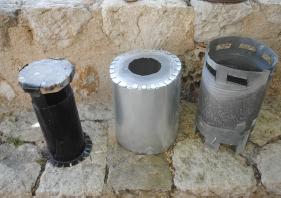
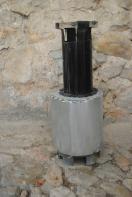
The TChar is a TLUD which lifts off at the end of the gasifier phase to drop char into either a charcoal stove bottom for continued use as cooking charcoal or a quench base for later use as charcoal or biochar.

Erin Rasmussen

Dr. N. Sai Bhaskar Reddy, CEO, GEO December, 2011
http://e-geo.org

See the attached pdf (about 150kb): Understanding Stoves
it is an excellent brief summary that highlights the important aspects of stoves design and testing. e.g. fuels, fuel preparation, stove design, materials, use and testing.

Erin Rasmussen

Gustavo Peña, November 2011

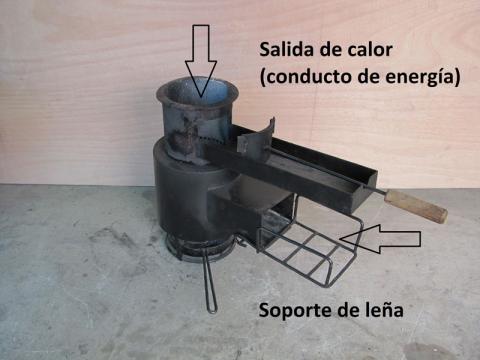
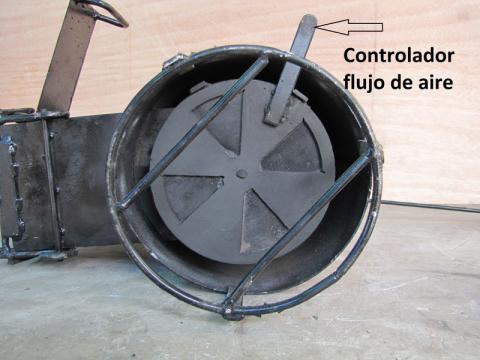
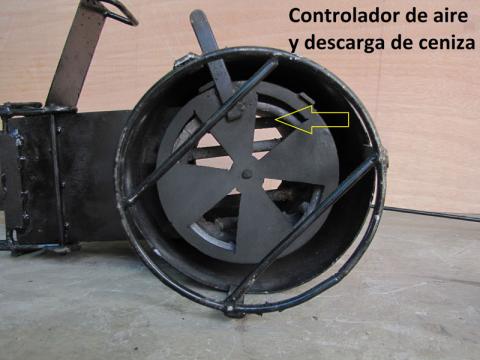
Tom varios amigos me han escrito que no reciben el documento aqui te lo mando, si lo van a poner en la web por favor agregar los siguientes comentarios

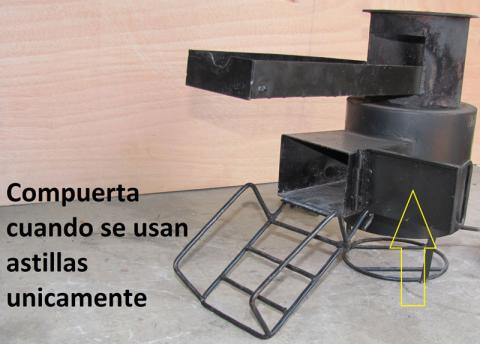
  1. Està fabricada con làmina de 3 milìmetros en la parte exterior y la càmara interna es de tubo acero al carbòn de 5 milìmetros
  2. tengo varios modelos en pruebas con gente que la usa todos los dias y los resultados hasta el momento son los siguientes
  3. A- en nuetro medio un negocio comun es la venta de tortillas, una de las usuarias ha logrado producir 800 tortillas con 10 libras de leña.
  4. B- la primera estufa con 2 quemadores tiene ya 8 meses de prueba y las condiciones de la càmara son exelentes no se ve deterioro alguno, esto nos da un parametro de vida de mas o menos 4 años de uso diario.
  5. C-los usuarios que estan haciendo las pruebas estan muy contentos por el desempeño y el ahorro, pues antes gastaban $7.50 usd en gas licuado (LPG) y con este modelo ahorran $5.00 por dia con un ahorro total de $1,800.00 usd por año
  6. D- los resultados finales con relacion al peso de la leña en comparacion de estufa tradicional estaran listos en 2 semanas.

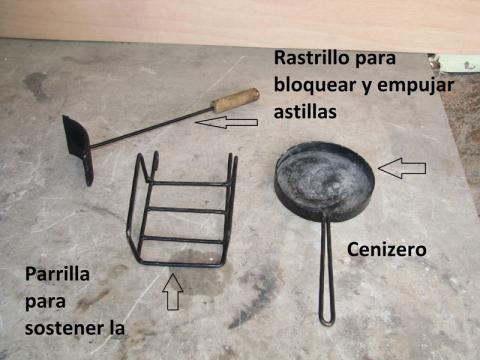
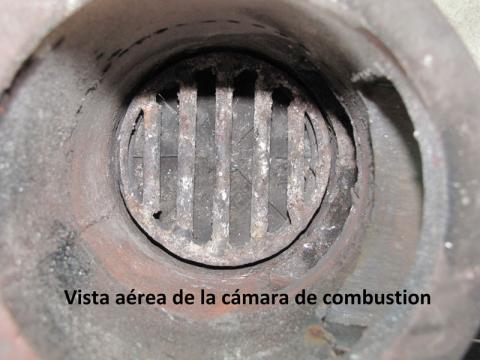
Aqui van las fotos y los dibujos de la càmara, en el power point puedes ver los modelos que estoy produciendo, la Ecocina es la lider en ventas, al final del power point veras una estuva de metal con protector amarillo para evitar quemaduras la he nombrado HOPE y espero presentarla a una universidad de Africa en unas semanas.
la estufa HOPE esta equipada con la nueva càmara de combustion
cualquier pregunto por favor estoy a la orden

Erin Rasmussen

Gustavo Peña, November 2011

Tom varios amigos me han escrito que no reciben el documento aqui te lo mando, si lo van a poner en la web por favor agregar los siguientes comentarios

  1. Està fabricada con làmina de 3 milìmetros en la parte exterior y la càmara interna es de tubo acero al carbòn de 5 milìmetros
  2. tengo varios modelos en pruebas con gente que la usa todos los dias y los resultados hasta el momento son los siguientes
  3. A- en nuetro medio un negocio comun es la venta de tortillas, una de las usuarias ha logrado producir 800 tortillas con 10 libras de leña.
  4. B- la primera estufa con 2 quemadores tiene ya 8 meses de prueba y las condiciones de la càmara son exelentes no se ve deterioro alguno, esto nos da un parametro de vida de mas o menos 4 años de uso diario.
  5. C-los usuarios que estan haciendo las pruebas estan muy contentos por el desempeño y el ahorro, pues antes gastaban $7.50 usd en gas licuado (LPG) y con este modelo ahorran $5.00 por dia con un ahorro total de $1,800.00 usd por año
  6. D- los resultados finales con relacion al peso de la leña en comparacion de estufa tradicional estaran listos en 2 semanas.

Aqui van las fotos y los dibujos de la càmara, en el power point puedes ver los modelos que estoy produciendo, la Ecocina es la lider en ventas, al final del power point veras una estuva de metal con protector amarillo para evitar quemaduras la he nombrado HOPE y espero presentarla a una universidad de Africa en unas semanas.
la estufa HOPE esta equipada con la nueva càmara de combustion
cualquier pregunto por favor estoy a la orden

Low Smoke Chulha

The Low Smoke Chulha has been enabled by Philips Design in close co-operation with NGOs, self-help groups, local entrepreneurs and potential users. Low Smoke Chulha provides a safer home environment for families, reduces the risk of respiratory illness, and supports indigenous ways of cooking. The Low Smoke Chulha is not only smokeless but also helps every household save 10 kilos of firewood each house each day which is 4 tones of firewood a year!

See our page: http://www.lowsmokechulha.com/

solarbobky

The TChar(tm) stove is a TLUD stove that lifts off at the end of the gasification stage to drop the charcoal into a T-base(tm): a charcoal stove to continue cooking with the charcoal created or a quench base to save the charcoal for biochar or other use.
Download Part A of TChar Technology for Cookstoves at:
http://drtlud.com/

solarbobky

The TChar(tm) stove is a TLUD stove that lifts off at the end of the gasification stage to drop the charcoal into a T-base(tm): a charcoal stove to continue cooking with the charcoal created or a quench base to save the charcoal for biochar or other use.
Download Part A of TChar Technology for Cookstoves at:
http://drtlud.com/

solarbobky

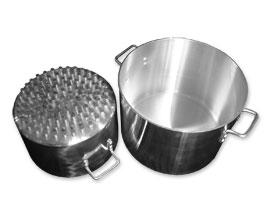
Has anyone experimented with using a bundt shaped pan for improved heat transfer? It is an open topped donut shaped pan usually used for baking cakes. It would have more surface area for better heat transfer.

Erin Rasmussen

Alexis Belonio, Victoriano Ocon, and Antionio Co

Garbage-In Fuel-Out (GIFO) Project,
Suki Trading Corporation, Lapu-Lapu City, Cebu, Philippines

This project is a cooperation between Suki Trading Corp. and Kanvar Enterprises and the Centre for Rice Husk Technoloy (CRHET).

Erin Rasmussen

Paal Wendelobo, October, 2011

The Peko Pe TLUD project in Zambia is going well.

Paal describes it best:

" The main principals for our projects I will call it community based participation both for fuel and for stove productions. Utilization of local resources with other words.. The Peko Pe is designed for production by local tinsmith with the tools they might have. They only need a template and a model; they have the knowledge how to make it.

" First of all we discuss the need of changes, and then on the fuel side we start up with registration of alternative biomass for fuel for briquetting, energy forestry for fuel production. We always start with the fuel .to be sure there is sufficient quantities and to an affordable price.

"The charcoal business, which represents about 15 % of the adult population, has to be involved from an early stage of the project. All kind of activities on the household energy sector will in one or another way have an influence of their business, and with biochar we don’t know what will happen, but that is one of the ting we will try to find out. Any how for the charcoal business it is just to change from charcoal to alternative biomass for household energy.

"The energy loss by production of biochar for soil improvement is almost equivalent to the energy needed for the farmer to cook if you include the African way of thinking time is coming not like by us time is running That is a big difference. A household need about 2,7 kg charcoal a day for cooking. Form about 10 kg of dry wood you will get 2,7 kg of charcoal for one day cooking and no biochar. From .10 kg of dry wood you will get 10 kg of woodchips and that will be for 2 ½ day of cooking into a TLUD-ND. and about 2.7 kg of biochar. The pilot project will tell us if this is right or wrong."

" A common Miombo forest in Africa will give about 3 ton wood per ha a year. 3 ton of dry wood will give 800 kg of charcoal. A household of 5 consume 2-3 kg charcoal a day or about 800 kg a year. To produce 3 kg of charcoal you need 10-12 kg of dry fire wood in a common kiln. That will give one day cooking on a charcoal stove, and almost no biochar. 10-12kg dry chopped wood will give 3 days of cooking on a TLUD-ND or another FES and 2.5 kg of biochar
Energy forestry using just the sprouting every year can give up to 10 ton wood per ha a year, easy to cut to appropriate fuel for TLUD-ND’s or other types of FES. By adding some biochar to soil of bad quality 20-30 % increased yields can be obtained, which will give more food, more household energy, more jobs, better economy, better health for women and children and saving the forest. It can probably be as simple as this and is that not some of what we are looking for and need?
We know some changes have to take place on the household energy sector and we have to start somewhere. Why not start with small scale farmers on sandy soil, and from there develop the new household bio-energy strategy for developing countries. Probably also with the charcoal business, they have the whole infrastructure intact and can easy change from charcoal to alternative biomass like chopped wood or pellets from agriculture and forestry related waste. "

Erin Rasmussen

Paal Wendelobo, October, 2011

The Peko Pe TLUD project in Zambia is going well.

Paal describes it best:

" The main principals for our projects I will call it community based participation both for fuel and for stove productions. Utilization of local resources with other words.. The Peko Pe is designed for production by local tinsmith with the tools they might have. They only need a template and a model; they have the knowledge how to make it.

" First of all we discuss the need of changes, and then on the fuel side we start up with registration of alternative biomass for fuel for briquetting, energy forestry for fuel production. We always start with the fuel .to be sure there is sufficient quantities and to an affordable price.

"The charcoal business, which represents about 15 % of the adult population, has to be involved from an early stage of the project. All kind of activities on the household energy sector will in one or another way have an influence of their business, and with biochar we don’t know what will happen, but that is one of the ting we will try to find out. Any how for the charcoal business it is just to change from charcoal to alternative biomass for household energy.

"The energy loss by production of biochar for soil improvement is almost equivalent to the energy needed for the farmer to cook if you include the African way of thinking time is coming not like by us time is running That is a big difference. A household need about 2,7 kg charcoal a day for cooking. Form about 10 kg of dry wood you will get 2,7 kg of charcoal for one day cooking and no biochar. From .10 kg of dry wood you will get 10 kg of woodchips and that will be for 2 ½ day of cooking into a TLUD-ND. and about 2.7 kg of biochar. The pilot project will tell us if this is right or wrong."

" A common Miombo forest in Africa will give about 3 ton wood per ha a year. 3 ton of dry wood will give 800 kg of charcoal. A household of 5 consume 2-3 kg charcoal a day or about 800 kg a year. To produce 3 kg of charcoal you need 10-12 kg of dry fire wood in a common kiln. That will give one day cooking on a charcoal stove, and almost no biochar. 10-12kg dry chopped wood will give 3 days of cooking on a TLUD-ND or another FES and 2.5 kg of biochar
Energy forestry using just the sprouting every year can give up to 10 ton wood per ha a year, easy to cut to appropriate fuel for TLUD-ND’s or other types of FES. By adding some biochar to soil of bad quality 20-30 % increased yields can be obtained, which will give more food, more household energy, more jobs, better economy, better health for women and children and saving the forest. It can probably be as simple as this and is that not some of what we are looking for and need?
We know some changes have to take place on the household energy sector and we have to start somewhere. Why not start with small scale farmers on sandy soil, and from there develop the new household bio-energy strategy for developing countries. Probably also with the charcoal business, they have the whole infrastructure intact and can easy change from charcoal to alternative biomass like chopped wood or pellets from agriculture and forestry related waste. "

Erin Rasmussen

Quoting "Prof. S.C. Bhattacharya" :

Dear all,

I would be happy to share some publications arising from the following
activities at the Asian Institute of Technology:
1. Sida funded Regional project: An information package (including
construction details) on biomass briquetting machines developed in a
number of Asian countries and design of natural- cross-draft gasifier stoves that can operate continuously is available. The briquetting machines developed
were improvements on standard screw-press heated die design. Cross-flow
gasifier stoves were designed for different sizes; these do not need any
blower and can operate continuously without any smoke.

The briquetting and gasifier stove work I mentioned was carried out under a
Sida-sponsored project at the Asian Institute of Technology (AIT). The
project involved researchers from 12 national research institutes of six
Asian countries, e.g., Bangladesh, Cambodia, Lao PDR, Nepal, Philippines and
Vietnam. The findings of the project were disseminated through national
dissemination seminars in these countries; published "Technology packages"
were distributed widely in the region and are still available for
downloading from the project website. We organized technology transfer
workshops, in which a number of NGOs form the region were invited, on most
of the technologies developed.

(There is no restriction on distribution of the technology packages.)

Unfortunately, the link of the project is not working due to heavy flood in
Thailand; AIT appears to be still under 2 m of water.

2. GTZ funded project on Biocoal: We used the term "Biocoal" (rather than
"Biochar") for charcoal produced from solid organic residues such as
agricultural residues and waste wood. The findings of the project were
reported in a book titled "Biocoal Technology and Economics" by "Regional
Energy Resources Information Center (RERIC)" (email:enreric@ait.ac.th).

The chapters of the 495-page book were:

  • 1. State of the art of biocoal technology,
  • 2. Biocoal technology: A comparison of options and recommendations,
  • 3. Carbonisation of sawdust briquettes,
  • 4. Laboratory-scale batch carbonisation selected residues,
  • 5. Cost and availability of selected residues in Thailand,
  • 6. Characterisation of selected residues,
  • 7.Biocoal: Market requirements and Opportunities in Thailand, and 8. Economics of biocoal production in Thailand.

A few copies of the book are still available with RERIC. A number of
chapters of the book were summarised as journal articles; I will be happy
to
share some of these with interested persons for their personal use and
research purpose.

Other technology packages and published papers of the Sida project can be downloaded from www.retsasia.ait.ac.th. The biomass/stove group may be interested the package on drying, which includes a hybrid drier using solar energy and bioenergy from a gasifier stove, heat output of which could be automatically controlled by using a thermostat.

I also coordinated another regional project (Asian Regional Research Programme in Energy, Environment and Climate, ARRPEEC) funded by Sida in three phases during 1995-2005. One of the 4 projects of ARRPEEC was on biomass. Dissemination booklets of ARRPEEC and some of the papers published can be downloaded from http://www.arrpeec.ait.ac.th

dougaesi

As the United States biomass thermal and power industry continues to expand, new reliable technologies offering higher efficiency solutions must be introduced. The newly introduced EOS series biomass gasification boiler is among the most energy efficient of AESI’s high-performance, low-maintenance biomass energy plants. The EOS series provides thermal outputs ranging from 600,000 BTU/hr to 20 million BTU/hr, and can be staged to provide increased capacity.

Designed and built by the leaders in the biomass waste to energy market in Europe, Uniconfort, the EOS series builds upon over 50 years of experience and over 4000 successful installations throughout the world. When asked about the highly efficient EOS series, CEO of Uniconfort Davis Zinetti notes, “we must not forget that greater efficiency is associated with less CO2 production. Choosing EOS, therefore, means making a choice in favor of the environment.”

Erin Rasmussen

Mussie T. (Lecturer at Mekelle University, Ethiopia), October, 2011

This is a Natural Draft Gasifier stove, that is designed with a central column of air that is designed to burn more common Ethopian fuels, e.g. coffee husk and saw-dust (cow dung binder) briquettes in addition to more conventional wood chips.

the air column is drilled on the surface so as to let additional primary air radially into the fuel at different stages to compensate for air clotting that can occur when run with small sized fuel as you go up from along fuel column. This helps the flaming pyrolysis from being air starved due to interlocking of fuel particles. In addition to that, closely spaced holes of relatively larger size were made near the top of the central air column to supply more hot post‐pyrolysis secondary air. The presence of two hot secondary air admission points is meant to supply enough air while keeping the stove short with reduced heat loss.

Once the stove has enough fuel, it is typically started with wood chips, or an accelerant to help the briquettes light, and then in all of the trials it burned without smoke until the fuel tank was filled with charcoal (typically between 60 and 90 minutes later). This is a biochar-producing stove, the stove does not efficiently combust it. Friability and the composition of the char depended upon the feedstocks.

For an excellent analysis of the stove, and pictures of the biochar, please see the included Report: Results from Preliminary Experiments Conducted on Multi‐level
Primary Air Entry Gasifier Stove

Erin Rasmussen

Andrew C. Parker, October 2011

Lion Cub Stove
A variation on Larry Winiarski's 16 Brick Stove
and Crispin Pemberton-Pigott's Lion Stove

"I had been waiting all Summer to use my brother's StoveTek
stove to do some experiments. While searching a reference

Zakky

Jolentho in javanese (a local language in Indonesia) means rounded and bulky, so Jolentho Stove means bulky and rounded stove. We gave it the name because the stove liner is made of round and bulky potteries. Every part of the liner is made from pottery, including the grate.

The liner is divided into 8 parts to simplify production and tranportation. To make a liner, one needs to have pottery making skill. For simplicity, the liner is produced by a professional pottery maker. The users only need to buy, install and cast a sand-cement mixture surround the liner. Although cement are not ressistant to heat (easily crumbles), pottery liner provide protection so that cement can last longer. Properly made, the stove will last for 10 years.

The stove has 3 potholes and a chimney to suit the needs of palm sugar producers in Indonesia. The technology is simple: fuelwood burns above grate. Grate provide air suppy and dispose ash. The enclosed combustion chamber provides improved combustion quality. After heating the pot in hole #1 rom beneath, hot smoke is channeled to pothole #2 and #3. There are baffles in pothole #2 and #3 to maximize heat transfer. Finally, the smoke exits through chimney. Chimney also provide draft that boosts combustion.
The innovations we offer are cost and time efficiency and simplicity in stove making, and. It only takes 1 men, 2 hours and 19.25 USD to make a Jolentho Stove and the stove is ready to use within 3 days. This is much more simpler, compared to a mud stove, which requires 4 men, 16 USD and 3 days only to make mud stove and additionally 17 days to get mud stove ready to cook. By all means, the Jolentho is much more favorable.

biochar

Biochar Industries part of Biochar Project in Kunghur Australia is now selling Biochar TLUD cook stoves as part of our plan to make more people aware of the benefits of biochar.

T l u d is an acronym for Top Lit Up Draught meaning you lite it at the top and the air is sucked up through the fire. Fantastic device that is light to carry and will work with all woods great survival tool . The best feature of this Tlud is when the flames go out you then have biochar. All you have to do is drop the embers on the ground and spray some water on them so they don’t continue to burn.

This particular model was imported from India and has a very nice finish and somehow I ended up with some to sell so I wanted to let my readers know first before I start selling them at stores and markets.

Erin Rasmussen

Jock Gill, May, 2011

Jock has updated his iCan instructions on Flickr:
http://www.flickr.com/photos/jockgill/sets/72157626640937954/

from Jock's email:

The triplets of triplets in the secondary air supply is a significant improvement.

The 18-12-6 iCan now has much greater total time with a very well behaved flame and an air fuel mixture that is lean to good for most of the run.
There are still several minutes of a too rich mixture that does emit some soot.

Run time on 350 grams was 27:45, most of the smoke was gone within 2 minutes, just two floaters, and the biochar had a good clean nose. This is about as good as I have gotten so far.

saibhaskar
From
From
From
From

Avani charcoal stove http://avanicharcoalstove.blogspot.com/ is designed using the most common empty oil tin cans (15 liters) available in parts of India. Steel mesh, rods and a forged iron grate are also used. This stove can be made with less skills. The steel wire mesh used inside, protects the tin as well draws in air. Other liners like clay, and any other material can also be tried. Recently trained women and youth in its production at Avani - an organization at Berinag, Pittoragarh District, Uttarakhand (Himalayas), India. Here the pine needle charcoal briquettes are used. This stove has some common features of My Home Stove 2. http://myhomestove2.blogspot.com/ This is light weight, requires less skills to make it, convenient for adoption.

Erin Rasmussen

Flip and Jon Anderson,updated May, 2010

and the movie:

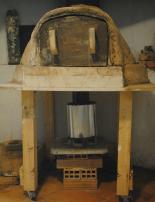
Flip and Jon Anderson put together a beautiful earthen oven that's powered by a Rocket stove. They've got all of the details on their picassa photo album:
https://picasaweb.google.com/Jonnygms/RocketOven#slideshow/5598633235210438450


They were inspired by Kiko Denzer's book Build your Own Earth Oven to build the supports with apple pruning into an inverted basket, and then mix the clay and straw to put over it. This was done on a wonderful earthenware support built on top of simple framing to elevate the oven to allow for the rocket stove underneath.

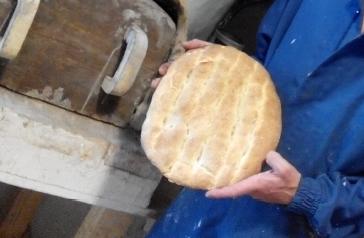
Larry Winiarski offered suggestions and tweaks to improved the efficiency of the stove, and Flip and Jon report that it makes a beautiful pan of rolls and marionberry pie, with very little wood, and can also boil water off the top of the chimney. Nicely done.

Erin Rasmussen

Ray Menke

My wife and I made a short video showing how we make Pita Bread using a version of this stove design. Here is the link:

http://www.youtube.com/watch?v=JOuoE2KAbQI

Erin Rasmussen

Jock Gill, April 2011
Peacham, Vermont, usa


My little iCan made from a 3 lbs Costco coffee can boiled 1.75 liters of water in 42 minutes this afternoon. Ambient temp was 47 [8.33C]. This was done in 5 batches averaging 350 ml each. A very clean burn. Some soot at the start of each batch when the water was cold. Just a soon as the water in the cup warmed up a bit, the soot stopped.

Of course I also made some biochar as well.

Fuel was a good quality wood pellet. Cost of fuel: about 17 cents assuming pellets at $230 per ton. They can be bought for a good deal less, but I am using a higher number to be safe.

Cost per liter boiled: ~ 7.4 cents, allowing 4 cents as the value of the biochar captured at the rate of 17.5% of the dry weight of the fuel.

Erin Rasmussen

by: Alexis T. Belonio, Emmanuel V. Sicat, and Francisco D. Cuaresma

Erin Rasmussen

by: Alexis T. Belonio, Emmanuel V. Sicat, and Francisco D. Cuaresma

Erin Rasmussen

Kobus Venter put together a great article that helps define the Rocket Stove. Please take a look at it on his web site: http://vuthisa.com/2011/03/21/what-is-a-rocket-stove/

Erin Rasmussen

Gustavo Pena, Stove Team International
and Larry Winiarski

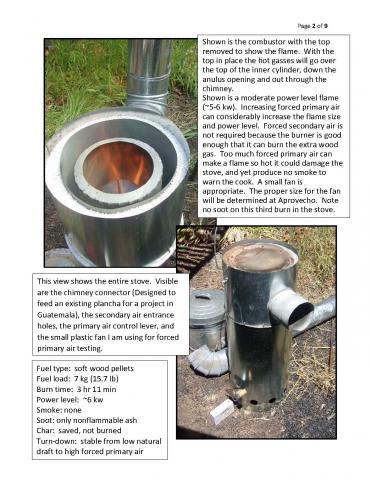
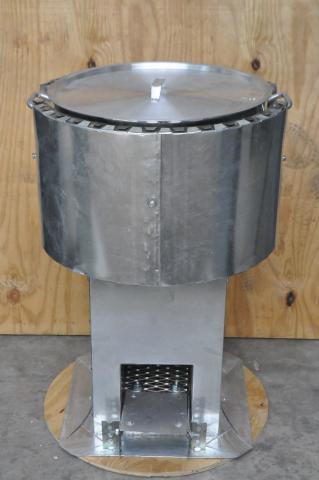
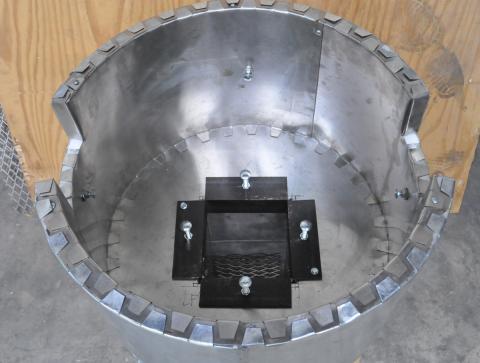
This is a Hybrid Combustion Rocket, TLUD stove designed for practical use with the help of Larry Winiarski, and with Gustavo Peña of Stove Team International.

See also:

Erin Rasmussen

Gustavo Pena, Stove Team International
and Larry Winiarski

This is a Hybrid Combustion Rocket, TLUD stove designed for practical use with the help of Larry Winiarski, and with Gustavo Peña of Stove Team International.

See also:

Pages