Haiti

Recho Roket Website is updated!

Dear all,

For over two years we have been telling people that in two weeks or so we hope to have the mud Rocket Stove website updated. It finally happened. Flip has worked countless hours on this. This morning she shouted out, "The baby is born!"

Thanks to Larry Winiarski for all the mentoring and watching over us. Without Larry and the Good Lord this would have never happened. http://www.rechoroket.com/Home.html

Happy New Year,
Jon and Flip

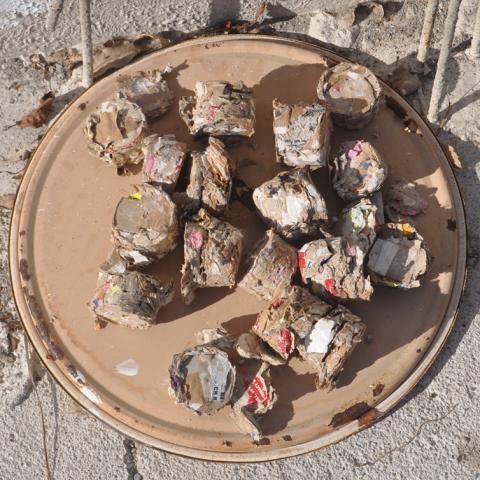
tractor jack briquette press

stove-image: 

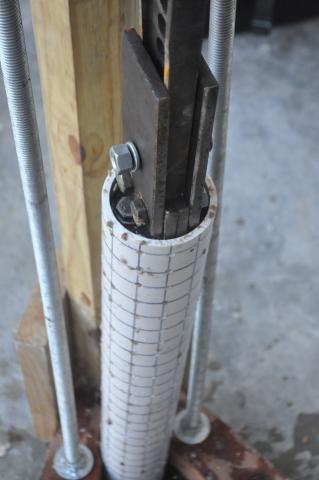
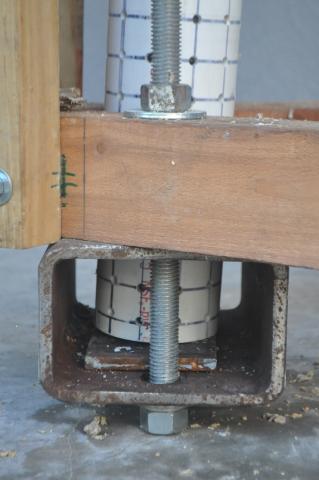
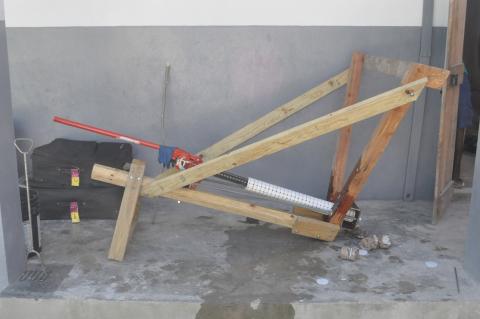
I was finally able to complete my tractor jack briquette press on a recent trip to Haiti. I started it in the spring but had to load it into a shipping container in May before I could complete and test it. It uses a 3 1/2 ton (3.2 tonne) 48" (122cm) tractor jack. About 30" (76cm) pressing cylinder, 3" (76mm) diameter PVC . Two 3/4" (19mm) threaded rods for tensile members.

CharBowl charcoal stove

stove-image: 

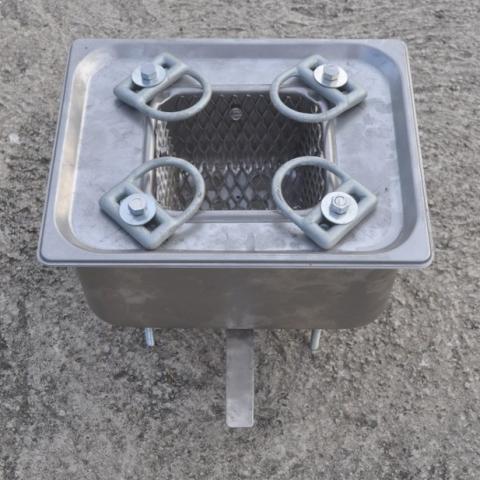
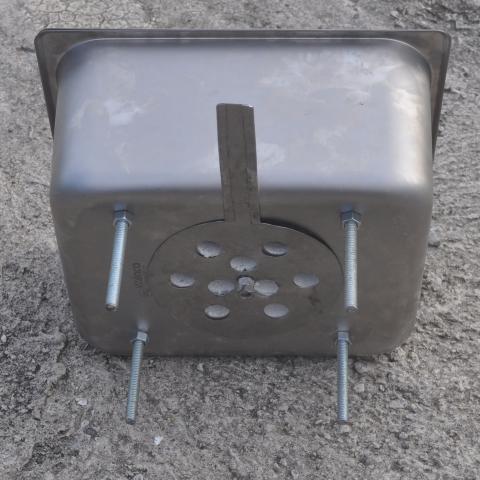
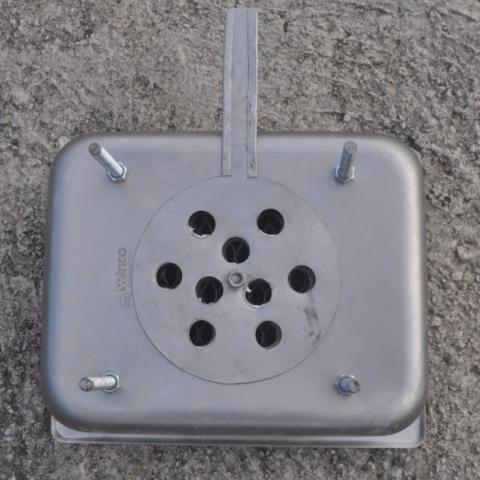
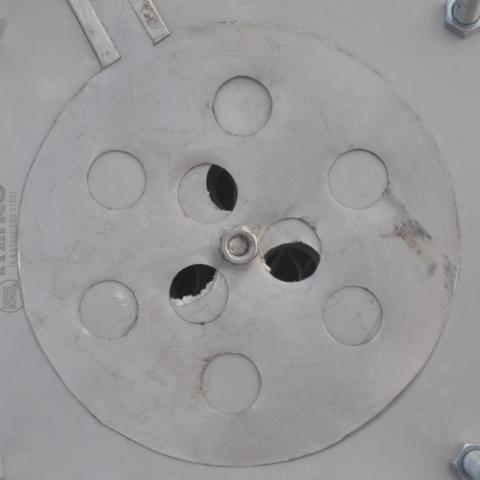
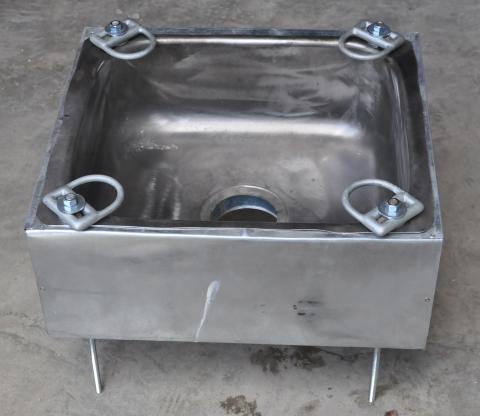
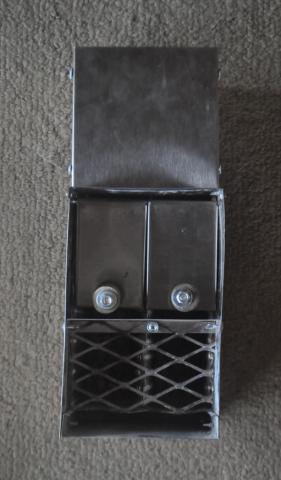
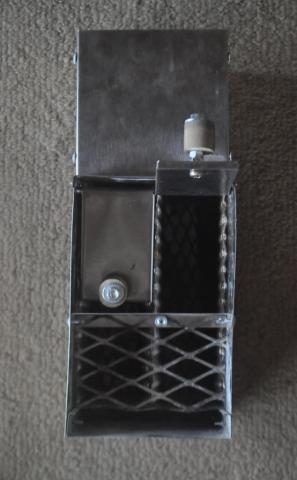
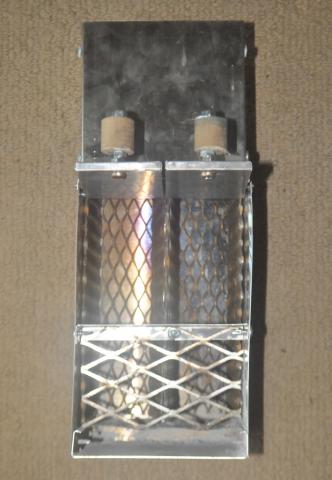
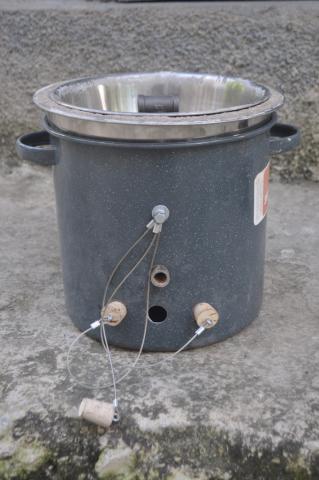
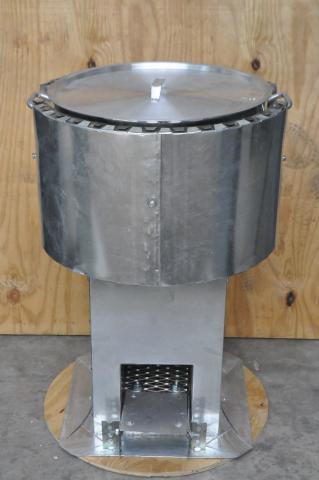
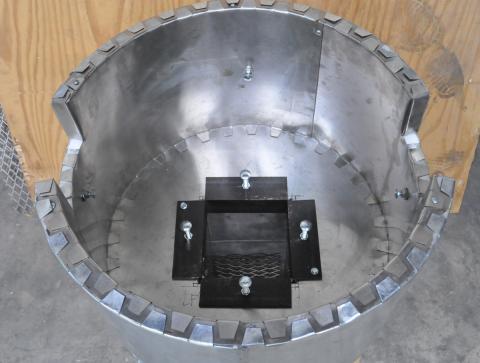
On a recent trip to Haiti I was finally able to construct my CharBowl(tm) charcoal stove. It uses two nested stainless steel bowls (5 quart and 8 quart (4.7 liters and 7.6 liters))for durability and reflectivity with castable insulating refractory between them to reduce conductive heat losses. It has a 6.5" (16.5cm) dia cast iron grate for durability.

Transición de Haití a biocombustibles líquidos: Cocinar con bioetanol

Una reciente evaluación realizada por los refugiados de la Mujer de la Comisión en Haití constató que el precio del carbón ha aumentado en un 40% (CMR y el PMA 2010).

CleanCook Stove

Observations: Design Principles for Charcoal Stoves

Christa Roth and Christoph Messinger, August 2010 Existing Charcoal Stove Existing Charcoal StoveImproved Charcoal Stove Improved Charcoal Stove Improving the Charcoal Stove for Haiti, Stove Camp 2010 (see the Stove Camp Summary for challenge details) Main points mentioned at the end of the Stove Camp Workshop
  1. We need a high turn down ratio.

    To bring water and foods fast to the boil, we need high power in the heat-up phase. However, thereafter we commonly need low power for simmering. The stove therefore needs to offer the opportunity to turn down the power output drastically. Options:

    1. Regulation of primary air supply (e.g. closing door)
    2. The gap between pot and charcoal is increasing over cooking time (shape of char container provides more depth = increased gap to the char)
    3. c) The amount of char available at the end of cooking is reducing (conical shape of char container = less char over time available)
  2. We need to reduce heat losses to the bottom and to the side of the stove.

    A char container radiates heat to all sides – not just to the pot. To reduce the amount of char used, it is important to reduce the heat losses to the other directions. Options:

    1. Bottom of stove: rebounding plate (with holes) in between primary air supply
    2. intake and charcoal container. Thus primary air is channeled through the
    3. heated rebounding plate, taking some heat back into the char container.
    4. Side of the stove: double wall with air in between for insulation.
  3. We need to maximize heat harvest from a given amount of charcoal.

    Charcoal burning is mainly influenced by the amount of air available in the char container. Options:

    1. A vertical spacer in the center of the charcoal container (Lanny Henson’s pig tail”) seemed to increase the availability of air for charcoal combustion.
    2. Additional draft (e.g. forced air) may increase heat generation per time unit. However, this may also increase CO emissions and reduce efficiency of char use.
    3. Secondary air to burn off the CO in a gap between the charcoal and the pot may provide additional heat. However, for this to be beneficial it may not impact on the surface area available for direct radiation from the charcoal to the pot and should not cool down the air in the gap (well preheated secondary air).
  4. We need to maximise heat transfer to the pot.

    Generating as much heat as possible out of a given amount of charcoal is one step. But another important step is to make sure that most of this heat actually is transferred into the cooking pot. Options:

    1. “Sunken pot” concept seems to provide best results in terms of heat transfer (Henson stove). Unfortunately, in real life this might not be possible in many work environments.
    2. Best heat transfer is NOT achieved if the pot rests on the char. Optimum is about 1inch away from the char, not closer than that. For Simmer, this could increase to 2-3 inches.
    3. A skirt is highly important to shield the gap area between the pot and the char against the influence of wind. The gap between pot and skirt should bedetermined.

Christa’s Summary of the stove camp

Observation and necessary actionDerived Design Principles
Charcoal radiates heat to all sides: as much can radiate towards the bottom of the stoves as can radiate upwards towards the pot. Action: Avoid loss of radiating and conducting heat from charcoal that is not directed towards the pot.
  • Add space between the charcoal grate and other stove parts: Lift the charcoal grate slightly off the bottom of the stove and increase the space to the sides of the stove.
  • Limit the places where the hot grate can conduct heat to other stove parts.
  • Add a deflector plate between charcoal chamber and the stove bottom to radiate heat back upwards.
  • Insulate the stove bottom to prevent heat loss through the bottom.
  • Insulate sides of the stove.
  • Regain heat through air circulation (air cooling of stove) by passing air through heated stove parts thus preheating air entering the combustion system. This can be by passing primary air through the deflector plate below the grate and/or secondary air through a gap between double side walls of the stove.
Charcoal combusts in function of the available oxygen. Thus heat generation is a function of air supply to the charcoal grate. Action: get the right amount of air to the charcoal grate. To little will choke the combustion, too much will cool the flue gases. If power of the stove is too low, increase air supply by
  • making more holes in the grate.
  • adding a ‘Henson pig-tail’ vertical air-pass through the charcoal bed.
Do not pile the charcoal up too high, as this will restrict air flow through the charcoal bed (this is influenced as well by the shape and particle size of the charcoal chunks).
The combustion of charcoal goes from oxidizing C to CO, then in a subsequent step from CO to CO2. CO is a toxic gas and has still considerable energy value. Ensuring a complete combustion will increase energy output and reduce toxic emissions. Action: avoid CO emissions.
Charcoal radiates heat but there is also considerable convection of hot flue gases. Action: Optimize transfer of created heat into the pot. Avoid obstructions between the radiating charcoal bed and the bottom of the pot (increase the view factor of the charcoal seeing the pot).

Haiti's Transition from Woodfuels to Liquid Biofuels: Cooking with Bioethanol - Project Gaia

Patrick Bringardner, Project Gaia, August, 2010

A recent assessment conducted by the Women’s Refugee Commission in Haiti found that the price of charcoal has risen by 40% (WRC and WFP 2010). Helping subject populations to develop the capacity to produce liquid biofuels may offer one important solution to energy poverty in Haiti’s displaced communities and contribute to its long term development of energy self-sufficiency.

Clean Cook StoveClean Cook Stove

Project Gaia has been working in Haiti to promote ethanol and the CleanCook Stove - an alcohol based stove - as an alternative to stoves that burn solid biomass (i.e. wood, charcoal, and briquettes.) Ethanol is as clean as LPG, cheaper than charcoal, safer than kerosene and has greater potential than trash briquettes. In Africa, Project Gaia has accumulated over 2 million days of cooking with the CleanCook Stove without a single accident of any significance.

The most common question which arises during our discussions with policy makers and social entrepreneurs is:** “Would the supply of ethanol be sustainable? And where would the supply come from after donations were at an end?” **

This is the key sustainability question and the reason why we are so interested in Haiti. Not only was Haiti once a leading sugar producer and a distiller of beverage ethanol for export as well as the local market, but also Haiti exists on trade routes over which billions of liters of ethanol flow each year on their way to a fuel market in the United States. This ethanol, mostly from Brazil, generally the most competitively priced in the commodity market, will provide a source of fuel for Haiti—cheaper than kerosene—as Haiti builds up its own local production (Ethiopian Petroleum Enterprise Data). In fact, the Brazilian Government has pledged to donate over 100,000 liters and an additional 400,000 liters over the next two years.

Haiti was once a powerful agricultural economy, producing for its own needs. In 1983 Haiti harvested 70,000 hectares of sugarcane. Today it harvests less than 17,000 hectares (Figure 1: Decline in Sugar Cane Production (UN Data World Statistics Pocketbook)). Haiti’s dependence on export markets has increased its vulnerability through its reliance on basic sustenance items it once produced locally. Today it supplements most of its own food staples with imports – a precarious equilibrium. Other than charcoal, most other fuels are imported.

In regards to domestic ethanol production, Haitians are no strangers to the distillation of alcohol. Thousands of small mills and distilleries make beverage-grade ethanol in Haiti. In Léogâne alone, over 200 small distilleries were in operation before the earthquake (ESMAP 2007). Many of the existing distilleries in Haiti, those shut down or still in operation, could be repaired and refurbished to produce fuel grade ethanol. Project Gaia has been in contact with an operating distillery in the vicinity of Léogâne that could upgrade to produce hydrous ethanol fuel and put this fuel into the market in a matter of months.

Many opportunities exist for small scale distilleries. In Haiti, some small ethanol enterprises are already active thus presenting the perfect opportunity for value chain development through the support of SMEs (small and medium enterprises). The number of sugarcane transformation workshops throughout the country is an estimated 5,612 (ESMAP 2007)

Haitians rightly believe that Haiti’s way back from dependency is through agriculture and a renewed attention to domestic needs and markets. Therefore, by developing ethanol as a household fuel, it will profoundly benefit Haiti because Haitians can produce biofuels from their own agricultural crops. Moreover, Haitian families will finally have access to cooking fuel that is safe, clean, affordable and sustainable. A way back to economic - and human - health for Haiti is to produce ethanol for its domestic energy market.

Haitian Girls at Viva Rio's Orphanage in Carrefour Sample a Traditional Meal Prepared on the CleanCook Stove

World Stoves work in Haiti covered in the press

Nathaniel Mulcahy May, 2010

Nat Mulcahy and the World Stove Haiti project was nicely profiled on the web site The Charcoal Project. Read the full article A Man, a Stove, a Mission

From the Charcoal Project article:
"Mulcahy is the founder of WorldStove, a small Italy and U.S.-based company that manufactures a range of energy efficient, biomass-burning cookstoves. The company operates two business lines. One sells pricey cookstoves and barbeque grills for the outdoor/camping crowd in industrialized societies. The other line of stoves, the research of which is funded by the former, helps bring energy efficient cookstoves and locally owned businesses that produce them, to the oceans of energy poor people around the world who don’t have access to modern fuels like LPG and electricity.

"Mulcahy has recently returned from Haiti where he spent two months setting the foundations for a sustained long-term plan to alleviate the country’s heavy dependence on the inefficient combustion of the wood and charcoal. President Bill Clinton, the UN Special Envoy to Haiti, highlighted WorldStove’s remarkable and quick work in Haiti in a recent Earth Day address."

The World Stove has also been profiled (by Kelpie Wilson) on the Huffington Post, read WorldStove: Transforming Haiti and the World

And there are some great videos on YouTube, including this one:

Rochester Institute of Technology: Develop Thermoeletric Stove Test Methods and Capability

Rochester Institute of Technology: Develop Thermoeletric Stove Test Methods and Capability
Robert Stevens, Brain Thorn

Project Summary

According to the World Heath Organization more than three billion people depend on biomass fuels (wood, dung, or agricultural residues) primarily for cooking. The practice of cooking with biomass has decimated many ecosystems and requires an enormous amount of human effort to gather. In addition, there is considerable evidence that exposure to biomass smoke increases the risk of common and serious diseases in both children and adults. According to the WHO studies, indoor smoke from solid fuels causes an estimated 1.6 million deaths annually.

To minimize these harmful effects associated with cooking more efficient cook stoves have been proposed. These new stoves are significantly more biomass fuel efficient and thus reduce deforestation rates. These enhanced stoves also reduce indoor air pollution, thereby reducing deaths and illnesses due to biomass cooking.

RIT is working with an NGO partner in Haiti, H.O.P.E., and funded by an EPA Energy Research Grant to develop an enhanced stove. Concurrent with this team's work, a separate group will develop stove concept, design it, and create prototypes. This project is to develop a series of stove measurement and characterization methods and reduce them to practice. The mission of this project team is to define test methods relevant to the Haitian customer needs and, in addition, that quantifies the stove's fuel efficiency, cooking performance, and hazardous emissions in engineering terms.

Link:
Thermo-Electric Cook Stove

EPA Grant
Improved Cookstoves for Haiti

Daily Cost of Charcoal - Haiti

Nathaniel Mulcahy, March 2010

Over the past weeks several NGOs and individuals have written to ask how it is that we determined how much a family spends each day on charcoal. This is the initial survey we did for IOM over a month ago (pdf). We have since continued each week to do updates but the numbers are unchanging. The three camps I have chosen to include in the excel are good examples of the variation. One is a semi permanent camp that, in part, was there prior to the quake, one is an organized camp that was established through collaboration between the local government and various local and international NGOs, and the third is a spontaneous camp that sprang up post quake in the hopes that aid would arrive. On a happy note, since we did this original survey I am happy to report that the spontaneous camp has received showers and sanitation facilities and a great number of tarps and tents.

It should be noted that there are also ghost camps. These are camps that have no cooking facilities. They are created in the hopes of receiving aid or by people who still worry about sleeping in their houses. In the latter case, the people spend the day at home and sleep in the camps. There is a very nice one in Delmas with about 400 families and a small clinic.

I hope this helps answer the charcoal cost questions that many have been asking.

All the best,

Nat of WorldStove

Lifeline to Haiti is a joint project between International Lifeline Fund (ILF) www.lifelinefund.org , WorldStove(WS) http;//www.worldstove.com , and local partners. The short term goals are to provide high-efficiency low-emission cook stoves to families affected by the recent earthquake. The long term goals are to establish a permanent locally owned and operated stove factory and distribution network in Haiti.

Our recent survey work in the IDP camps has indicated that fuel prices have undergone a 50% price hike since the earthquake. The inefficiency of local stoves, the increased cost of fuel and simultaneous decrease in earning options following the quake make the rapid implementation for the stoves a pressing concern.

International Life Line Fund is a Washington D.C. based nonprofit NGO. With years of experience in the implementation of stove programs in areas where fuel is a critical concern such as Darfur, Uganda, Kenya, and Tanzania. It is vital to have a keen understanding of how critical stoves are to health, economy, and the environment.

WorldStove is an expert in high efficiency cook stoves with projects in numerous countries around the world. . The stove selected for the Lifeline to Haiti Project is the LuciaStove. It specifically designed to eliminate the need of charcoal or wood. It ships flat to keep shipping costs at a minimum (1000 stoves can fit in a little more than a cubic meter) and can be easily assembled b y local skilled and unskilled collaborators creating desperately needed local jobs.

The LuciaStove boasts long life low emissions and the ability to use any waste plant, paper or cardboard as fuel. It does not burn the fuel but instead turns it into a clean (blue flame) burning gas with an energy content comparable to propane.

Local Partners are fundamental to both the short and long term success of the project for they help can identify the places of greatest need and assure that training, distribution and continual evaluation allows the stove program to have the greatest positive impact possible.

We have and continue to conduct survey both formal and in formal in new camps everyday. From Carefour Feuilles, Carefour, Petion Ville, Delmas, Plas Mai Gattes, and the informal camp Terren Aerport, it is clear that increased fuel costs, decreased earning options, a heavy dependence on charcoal and inefficient stoves are creating a severe burden on local households.

Local daily income, for the households that have income, varies between USD 3.12 and USD 5. Charcoal is most often sold by the “Marmit” (a large coffee can) and not by weight. Cost decreases with larger purchases further disadvantaging those with the lowest income. In general the cost of a Marmit is around 25 Goude (0.625 USD assuming an exchange rate of 40 Goude/USD). The increase in fuel cost has forced many families to go from three to one meal per day and a daily fuel expenditure of 62.33 Goude (1.56 USD). Considering that many households have lost all earning options and that this fuel cost is the equivalent of 31% - 50% of the daily income of those fortunate enough to have work, the current situation is clearly unsustainable and is forcing households to make the difficult decision between food and fuel.

Nathaniel.

Syndicate content