Kenya

teddy

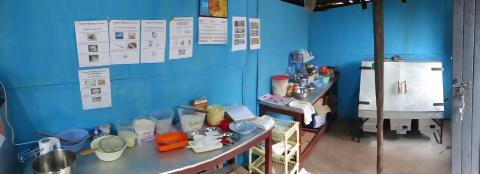
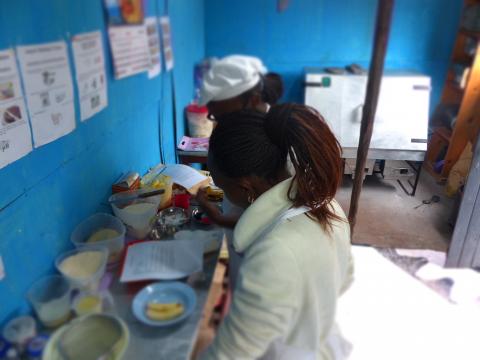
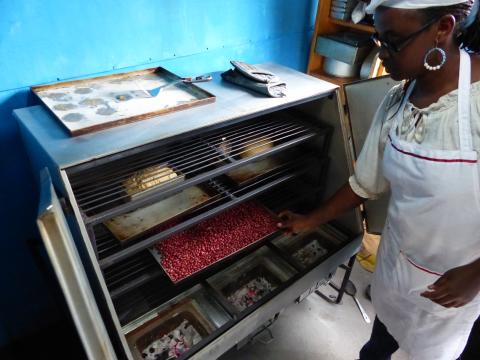
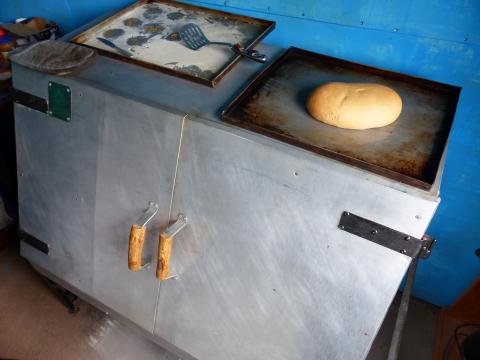
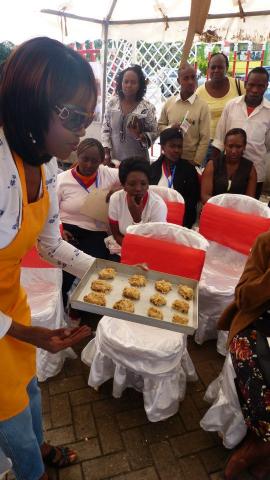
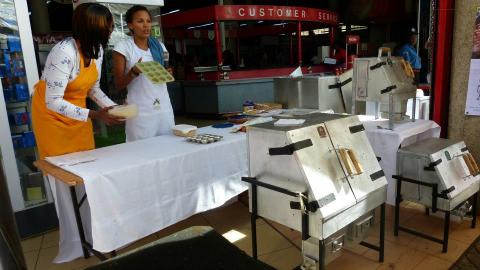
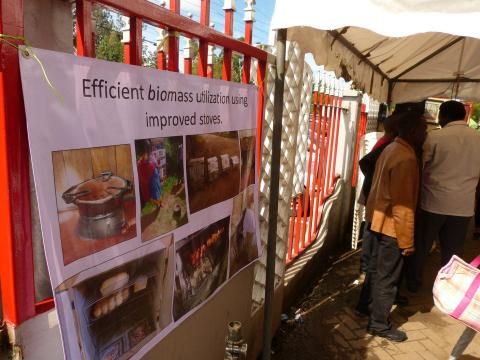
A wonderful afternoon with Susan Kamau's Kenya Kitchens Cooking Club. Susan is a Global Alliance for Clean Cookstoves Ambassasdor Chef and we very pleased to partner with her to have a open afternoon at UCHUMI SUPERMARKETS LTD to hold a baking demonstration and discussion about energy conservation, clean cooking, nutritional baking as a business and of course healthy delicious eating!

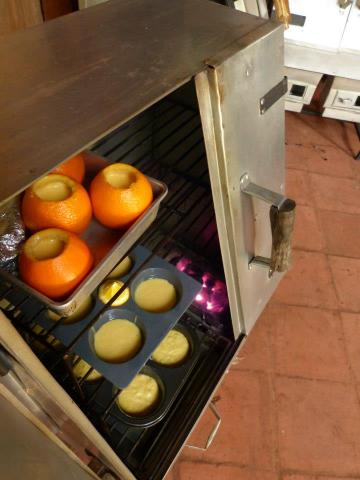
baking orange cake in oranges
teddy

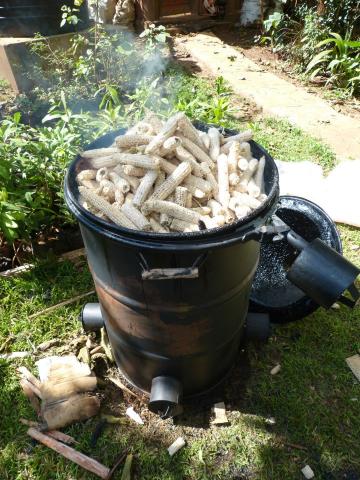
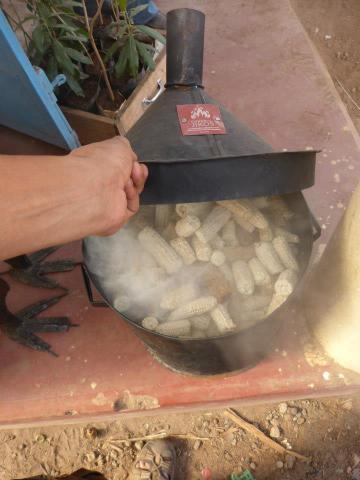
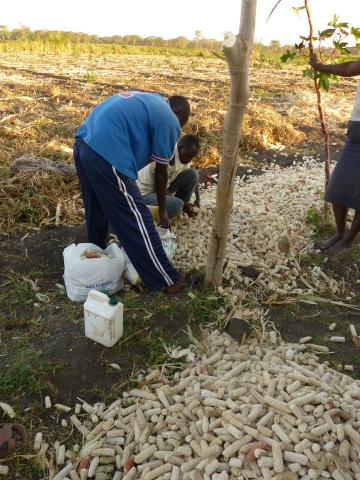
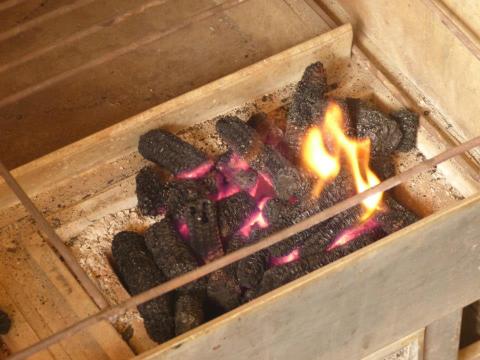
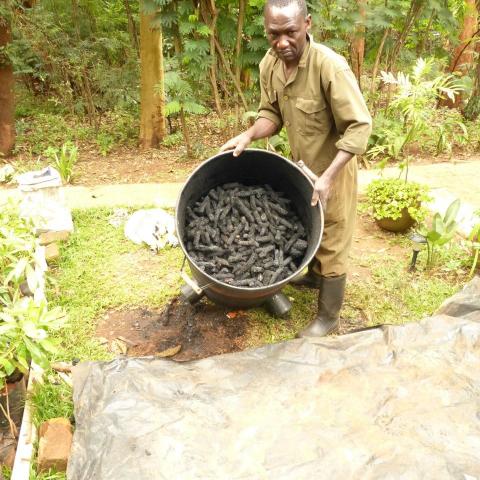
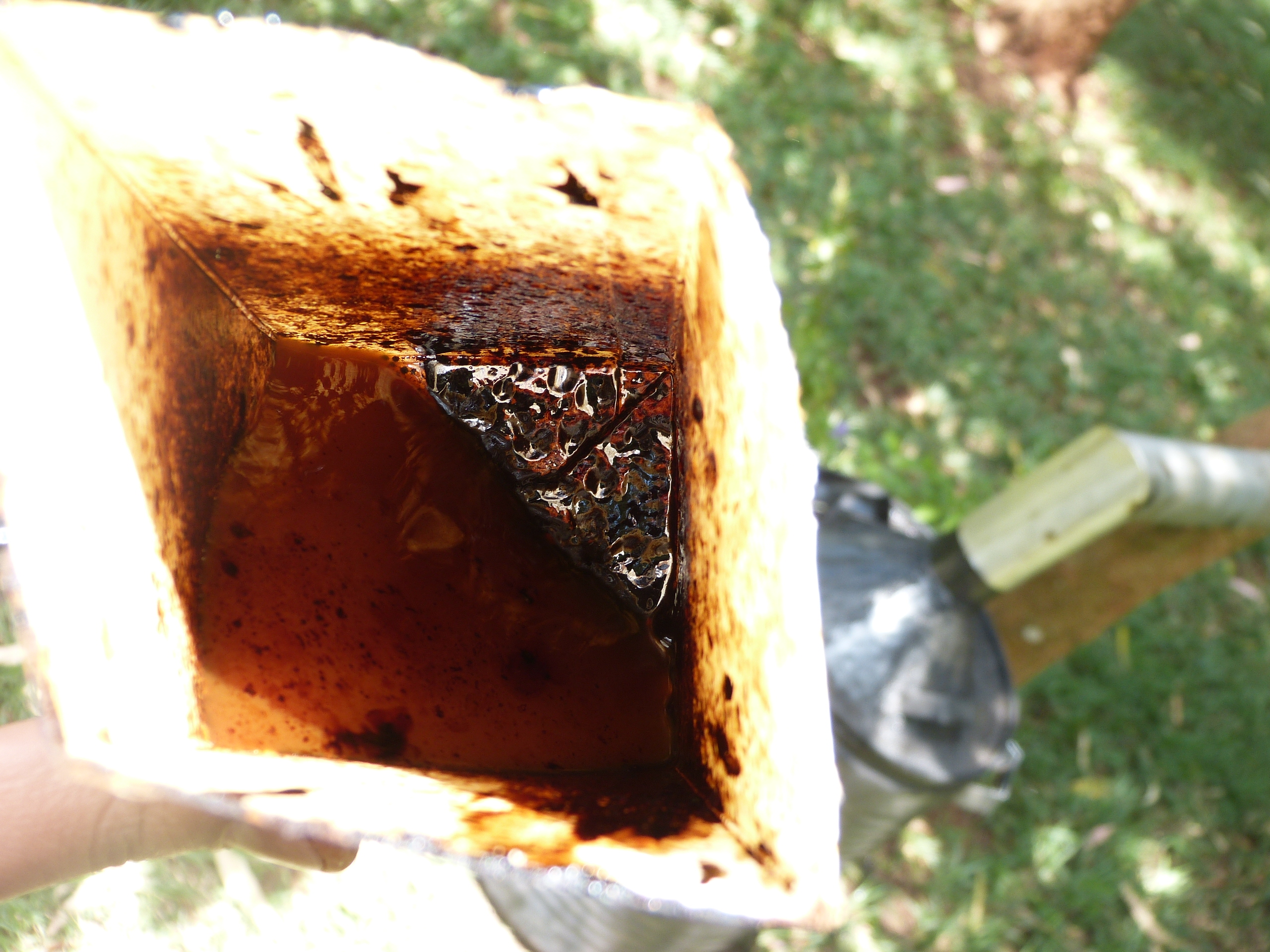
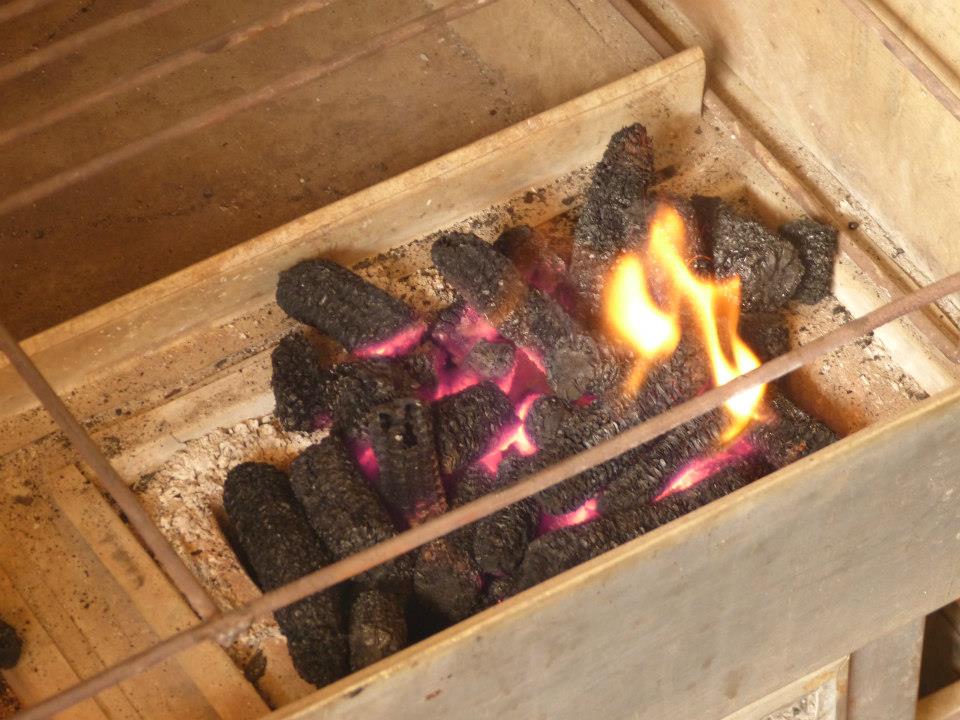
Four very good reasons why to make your own charcoal from dry maize cobs.

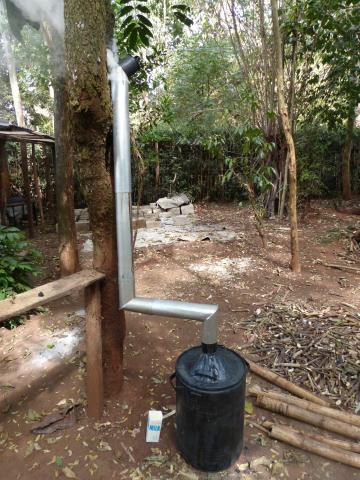
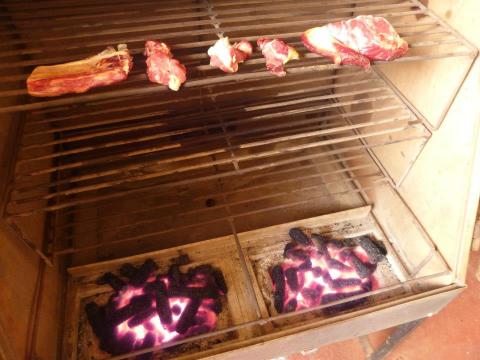
A loaded kinyanjui type barrel kiln carbonizing maize cobs
teddy

Did you know that more then half of the price of a bag of charcoal in Nairobi is money needed for paying bribes to get illegal bush charcoal to town? Save your money (and Kenya's forests) by making your own charcoal at home using only your own twigs and pruned tree branches. (or timber mill waste)

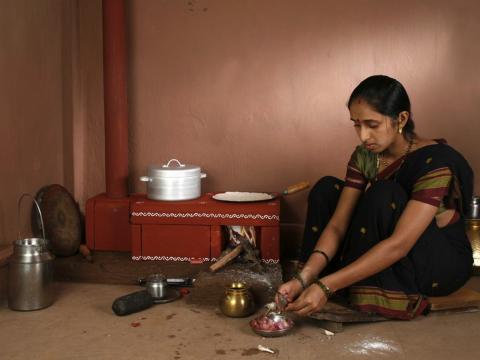
Low Smoke Chulha

The Low Smoke Chulha has been enabled by Philips Design in close co-operation with NGOs, self-help groups, local entrepreneurs and potential users. Low Smoke Chulha provides a safer home environment for families, reduces the risk of respiratory illness, and supports indigenous ways of cooking. The Low Smoke Chulha is not only smokeless but also helps every household save 10 kilos of firewood each house each day which is 4 tones of firewood a year!

See our page: http://www.lowsmokechulha.com/

teddy

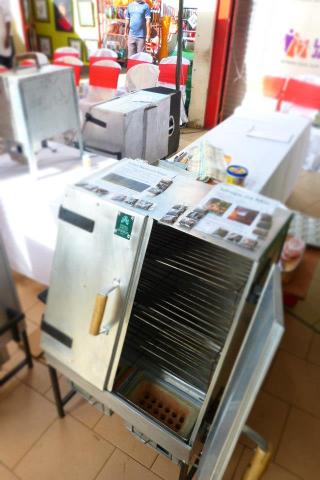
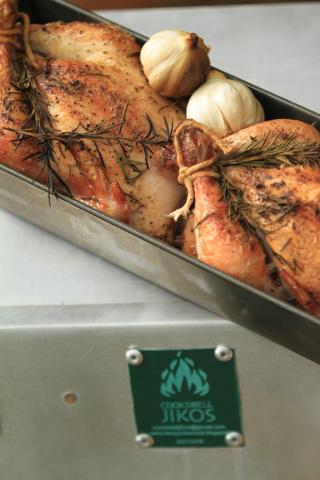
The Cookswell Energy Saving Cookstove (Jiko) Company

Erin Rasmussen

Practical Action, Kenya

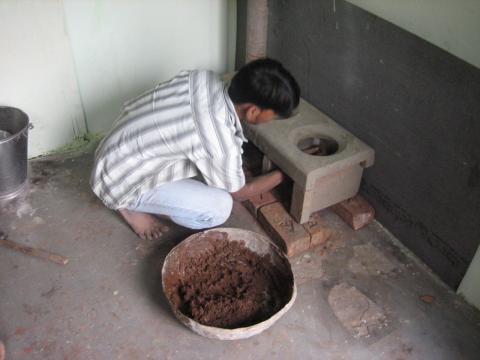
The Upesi stove, also known as the Maendeleo has been successful in Kenya. It has two parts, a simple pottery cylinder with pot rests (known as the liner) that is built into a mud surround in the kitchen. Fuel is fed into the fire through an opening in the front of the stove, and it has no chimney, but it produces much less smoke than an open fire.

teddy

for all your cooking needs,
save energy, cook more food.

Take a look at the Cookswell Web site for more information:
http://www.reskqu.blogspot.com/

Teddy Kinyanjui, Musaki Enterprises, Nairobi, Kenya

Erin Rasmussen

Robert V. Lange, February, 2011

Robert Lange, and the team from the ICSEE has been working in cooperation with the local Maasai leadership to bring both improved cookstoves and improved light and radio access to their people, as well as the training to install and repair their own stoves and PVC systems.

This project does a great job of teaching the women of the Maasai tribes to build their own improved rocket style stoves using local materials, and relatively small sections of steel and rebar to improve the durability of the local ceramic brick. The women are clearly proud of their new stoves, and their ability to repair, and move the stoves as needed, and even better than that - the neighbors are jealous and motivated to learn and build as well.

More information is available on their web site: http://www.maasaistovessolar.org

More information about the project methodology, and other ICSEE Projects can be found on the ICSEE web site:
http://www.the-icsee.org/projects/africa/villageprojects.htm
and the Villages Project web site: http://www.villageprojectsint.org/

The Kitengela Arboretum Promoting sustainable agro-energy technologies and conservation education. Kenya Seeds of Change An initiative contributing towards national afforestation through direct seeding of woodlots. Concept Compiled by: Teddy M. Kinyanjui Sustainability Consultant Kitengela Arboretum Po. Box 23058 Lower Kabete Nairobi, Kenya. April 2009

**Kenya Seeds of Change**
*Overview*
The degraded state of Kenya’s national and private forests (and therefore, the overall environmental health of the country) borders on the point of no return. Unless large scale forestry efforts are undertaken by both the public and private sector in the next few years, the damage that has been done to the countries forests will become irreversible. Due to the slow pace of natural regeneration of forests (as compared to their exploitation), a boost is sorely needed to meet current and future demands by Kenya’s ever growing population for sustainably grown wood by-products, especially the charcoal and firewood that is used daily by 80% of the country’s population.
The Kenya Seeds Of Change initiative aims to contribute towards national afforestaion by land owners through the countrywide sales of inexpensive tree seeds and the promotion of direct seeding woodlot establishment. Seeds are by far the best method of promoting wide scale tree planting in Kenya. These are some of the benefits from the direct planting of tree seeds compared to planting seedlings:

  • Seeds are Cheaper! (At roughly 0.25cents per tree compared to 20+ shillings per seedling)
  • The tree’s hardiness and survivability increases.
  • Thousands of seeds can be transported and stored much more easily then thousands of seedlings can until the planting time comes.
  • Seeds can be massively disseminated through existing retail outlets with minimal price increments from producer to consumer. Tree seedlings face problems of availability at the right time, dissemination logistics etc.
  • Partially domesticated indigenous tree species are best grown from seed. They are already adapted to Kenya’s climate, soils and pests and the trees are currently widely used and understood by the population.
  • Seeds simplify the enhancement of the genetic diversity of planted woodlots.
  • The above/below ground biomass ratio is more conducive to healthy growth when a tree is planted from seed.
  • Overall financial losses and risks from drought, animals etc. are significantly less under direct seeding.

Limited Access to Good Seed

  • From large commercial plantations to small scale rural and urban farmers, the access to purchase certified tree seeds according to their growing zones and uses is extremely limited to anyone who would like to plant trees.
  • Currently the only place to buy graded, certified tree seeds is at KEFRI (The Kenya Forestry Research Institute), located in Muguga, on the outskirts of Nairobi.
  • In contrast all the Nakumatt and Uchumi supermarket chains and all of the Agro-Vets in small or large towns and cities stock a variety of seeds ie. sukuma wiki (Kale) and maize etc.
  • Which of course raises the question; why don’t they all stock small packages of tree seeds that are suited to their market base?

This is what the Kenya Seeds of Change initiative has been started to get done.

Erin Rasmussen

USAID, February 2010

Please See the Full Report for details

Introduction to study and tested stoves
The purpose of this study was to obtain information on the potential suitability of a new

Pages

Subscribe to Kenya